
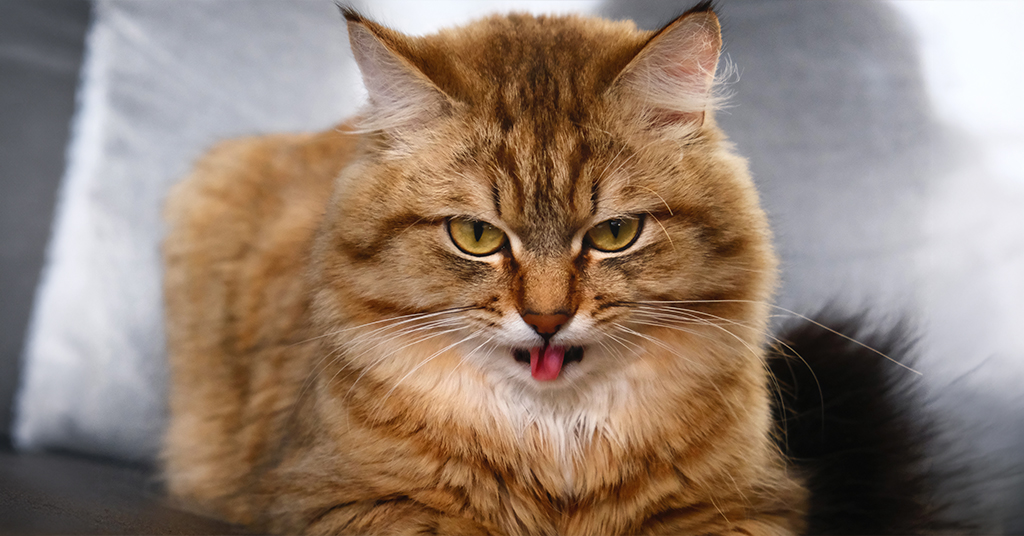
Cat coughing is most often caused by feline asthma, hairballs, respiratory infections, allergies, or irritants in the air, though heartworm disease, lungworms, inhaled objects, and tumors can also be responsible. An occasional cough may be harmless, but a cough that repeats, lingers for more than a few days, or comes with breathing changes needs a veterinary exam. Unlike dogs, cats do not cough very often, so a persistent cough is a signal worth taking seriously. Many owners mistake coughing for a hairball attempt, which can delay care for conditions like asthma that respond well to early treatment. Below, our team at Best Friends Animal Hospital in Manchester, NH explains what a cough looks like in cats, the most common causes, what to do when you hear one, and how veterinarians diagnose and treat the problem.
What Is Cat Coughing?
A cough is a reflex that forces air out of the lungs to clear the airways of mucus, irritants, or foreign material. In cats, it can look quite different from what people expect.
What a Cat’s Cough Looks Like
A coughing cat usually crouches low with the body hunched and the neck stretched forward, close to the floor. You may hear a dry hacking or wheezing sound, sometimes in a rapid series. The episode often ends with a swallow or a gag rather than anything coming up. Because the posture resembles a cat preparing to vomit, owners frequently assume a hairball is on the way.
Coughing Versus Hairballs and Retching
The key difference is what happens at the end. A hairball episode typically finishes with fur, food, or fluid being expelled from the stomach. Cat coughing, on the other hand, comes from the airways and usually produces nothing. If your cat repeatedly goes through the motions without bringing anything up, the issue may be respiratory rather than digestive.
Coughing Versus Sneezing and Reverse Sneezing
Sneezing pushes air out through the nose and points to the upper respiratory tract, while reverse sneezing pulls air in noisily. Coughing involves the lower airways and lungs. Recording a short video of the episode can help your veterinarian tell these behaviors apart, since cats rarely cough on cue in an exam room.
Why Is My Cat Coughing?
Many conditions can trigger a cough in cats. Some are short-lived and mild, while others are chronic or serious and need long-term management.
Feline Asthma and Allergic Airway Disease
Asthma is one of the most common reasons behind chronic cat coughing. It causes inflammation and narrowing of the small airways, often triggered by allergens or irritants. Asthmatic cats may cough, wheeze, or breathe with visible effort, and severe attacks can be life-threatening.
Other Common Causes
Beyond asthma, veterinarians consider a range of possibilities:
- Respiratory infections: Viral or bacterial infections, including bronchitis and pneumonia, can inflame the airways.
- Parasites: Heartworm disease and lungworms can damage the lungs. Cats can contract heartworm from a single mosquito bite, even indoors.
- Environmental irritants: Cigarette smoke, scented candles, aerosol sprays, dusty litter, and air fresheners may irritate sensitive airways.
- Foreign material: Grass blades or small objects inhaled into the airway can cause sudden, persistent coughing.
- Tumors: Growths in the lungs or chest are more common in senior cats.
- Fluid in the chest: Heart disease in cats more often causes labored breathing than coughing, but fluid buildup can sometimes trigger a cough.
Factors That Raise the Risk
Age, lifestyle, and environment all play a role. Young cats in multi-cat households or shelters are more likely to catch infections, while middle-aged cats are more prone to asthma. Outdoor cats face greater exposure to parasites, and indoor cats can still be affected by household irritants.
What To Do If Your Cat Is Coughing
Your response depends on how often your cat coughs and whether other symptoms appear alongside it.
Observe and Record
When you notice cat coughing, take note of when it happens, how long each episode lasts, and what your cat was doing beforehand. A smartphone video is one of the most helpful tools you can bring to an appointment. Also pay attention to appetite, energy, and litter box habits, since changes in these areas offer additional clues.
Schedule a Veterinary Visit
Call your veterinarian if your cat coughs more than once or twice, if coughing continues for more than a few days, or if episodes become more frequent over time. Persistent cat coughing rarely resolves without identifying the cause, and conditions like asthma tend to worsen without treatment.
Know When It Is an Emergency
Seek immediate veterinary care if your coughing cat shows any of these signs:
- Open-mouth breathing or panting
- Rapid or labored breathing while resting
- Blue, gray, or pale gums or tongue
- Wheezing combined with distress or hiding
- Collapse or extreme weakness
- Coughing up blood
Cats are skilled at hiding illness, so visible breathing trouble usually means the problem is already significant. Please avoid giving your cat any human cough remedies or medications, as many are toxic to felines.
Diagnosing Cat Coughing
Because so many conditions can cause a cough, your veterinarian will take a step-by-step approach to narrow down the source.
History and Physical Exam
Diagnosis begins with questions about your cat’s age, lifestyle, vaccination status, parasite prevention, home environment, and the pattern of coughing. Your veterinarian will listen carefully to the heart and lungs, check breathing effort, and look for fever, weight loss, or other signs of illness. Your notes and videos are especially valuable at this stage.
Diagnostic Tests
Chest X-rays are often one of the first tests recommended for cat coughing, since they show patterns in the lungs and airways that point toward asthma, pneumonia, tumors, or fluid. Bloodwork evaluates overall health and may reveal signs of infection or inflammation. Heartworm testing and fecal exams check for parasites that affect the lungs.
Advanced Diagnostics
When initial results are inconclusive, your veterinarian may recommend further testing. Options include collecting a sample from the airways to look for inflammatory cells, infection, or parasites, along with a CT scan, bronchoscopy, or an echocardiogram to evaluate the heart. Some of these procedures require anesthesia or referral to a specialty hospital.
Cat Coughing Treatment
Treatment for cat coughing depends entirely on the underlying cause, which is why an accurate diagnosis comes first.
Managing Chronic Conditions
Asthma and allergic airway disease are typically managed long term with prescription medications that reduce inflammation and open the airways. Some cats receive these medications by mouth, while others use an inhaler fitted with a cat-sized spacer and mask. Your veterinarian will tailor the plan to your cat and adjust it based on how well symptoms are controlled.
Treating Infections, Parasites, and Other Causes
Bacterial infections may require antibiotics, while viral infections often call for supportive care. Lungworms can be treated with prescription parasite medications. Heartworm disease in cats has no approved cure, so veterinarians focus on managing symptoms, which makes year-round prevention especially important. Inhaled foreign objects may need to be removed with specialized equipment, and tumors are addressed based on their type and location.
Reducing Airway Irritants at Home
Your veterinarian may suggest changes to your cat’s environment alongside medical treatment. These might include switching to a low-dust litter, avoiding smoke and aerosol sprays, and limiting scented products. Follow-up visits allow your veterinary team to monitor progress and fine-tune care as needed.
Find the Cause of Your Cat’s Cough in Manchester, NH
Cat coughing is never something to brush off as a quirk. While an occasional cough may pass on its own, repeated episodes often point to asthma, infection, parasites, or another condition that benefits from early diagnosis. Watching closely, recording episodes, and knowing the emergency warning signs help you give your veterinarian the information needed to find answers quickly.
At Best Friends Animal Hospital, our veterinary team takes a thorough approach to respiratory concerns, from careful exams to diagnostic imaging and long-term management plans. If your cat has been coughing, wheezing, or breathing differently, we are here to help. To schedule an appointment, call Best Friends Animal Hospital in Manchester, NH at (603) 625-2378.