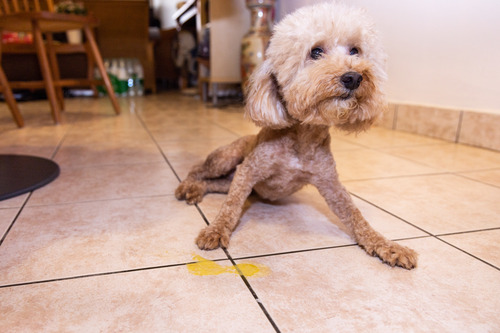
When your dog suddenly starts vomiting yellow, it can be startling and leave you wondering what’s happening. That bright color often signals the presence of bile, which can point to a range of possible causes, from something as simple as an empty stomach to more serious health concerns. Because the reasons can vary so widely, understanding why your dog is vomiting yellow is important. In this blog, we’ll discuss the common causes, signs that mean it’s time to see the vet, and what you can do to help protect your dog’s health. If you notice your dog vomiting yellow, call Best Friends Animal Hospital in Manchester, NH, at (603) 625-2378 for professional care.
Why Dogs Vomit Yellow
When a dog vomits yellow, the substance is typically bile, which is produced in the liver and stored in the gallbladder. Bile helps digest food and moves into the small intestine during mealtime. If a dog’s stomach is empty, bile can build up and irritate the lining of the stomach. This irritation can cause vomiting, resulting in the yellow fluid you see. While occasional vomiting may not always point to a severe condition, repeated episodes of your dog vomiting yellow can suggest an underlying health problem that requires veterinary attention.
Why Is Your Dog Vomiting Yellow?
Several factors may contribute to your dog vomiting yellow. Some are minor and temporary, while others require medical evaluation.
Empty Stomach or Hunger
One of the most common reasons for your dog vomiting yellow is an empty stomach. If too much time passes between meals, bile can accumulate and lead to irritation. Dogs that eat on irregular schedules may be more prone to this issue.
Dietary Indiscretion
Dogs are curious eaters. Consuming grass, table scraps, or something they shouldn’t can cause stomach upset. The result may be vomiting bile as their system tries to clear the irritant.
Food Sensitivities
Some dogs react poorly to certain proteins, grains, or additives in their food. Food sensitivities or allergies can upset the digestive system and contribute to recurring vomiting episodes.
Gastrointestinal Issues
Conditions such as gastritis, reflux, or inflammation of the stomach lining may cause bile vomiting. These conditions often lead to repeated vomiting and other digestive symptoms.
Obstructions
If a dog swallows a foreign object, such as a toy or piece of clothing, it can cause a blockage. Obstructions interfere with digestion and may cause persistent vomiting, including bile.
Pancreatic or Liver Conditions
More serious health concerns, such as pancreatitis or liver disease, can present with yellow vomit. These conditions require prompt diagnosis and treatment by your veterinarian.
When Dog Vomiting Yellow Signals a Bigger Problem
While occasional bile vomiting may not be unusual, there are times when it should never be ignored.
Frequency Matters
If your dog vomits yellow more than once in a short period, it could be a sign of something more serious than hunger or mild stomach upset.
Accompanying Symptoms
Additional symptoms such as lethargy, diarrhea, loss of appetite, or weight loss paired with dog vomiting yellow should prompt immediate veterinary evaluation.
Behavior Changes
If your dog seems weak, unusually quiet, or shows signs of discomfort, this may indicate a condition beyond simple stomach irritation.
Blood in Vomit
The presence of blood in vomit is always concerning and requires urgent medical attention. When in doubt, it’s safest to contact your veterinarian. Best Friends Animal Hospital offers emergency pet care to evaluate and treat your pet when it matters most. Call us at (603) 625-2378 today.
What Your Veterinarian May Do
If your dog is vomiting yellow, your veterinarian will begin with a physical examination and ask questions about diet, behavior, and frequency of symptoms. Depending on what they find, they may recommend diagnostic testing.
Diagnostic Testing
- Bloodwork: Provides information about organ function, infection, and overall health.
- X-rays or Ultrasound: Helps identify obstructions, inflammation, or abnormalities in the stomach and intestines.
- Fecal Testing: Screens for parasites that may cause digestive issues.
Treatment Plans
Treatment depends on the underlying cause of dog vomiting yellow. Your veterinarian may recommend dietary changes, medications, or further specialized care. Their goal is to address the root cause and restore your dog’s comfort and health.
Tips for Preventing Episodes of Dog Vomiting Yellow
While not every cause can be prevented, there are steps you can take to minimize the risk.
Consistent Feeding Schedule
Feeding your dog at regular intervals helps prevent long periods of fasting, reducing the chances of bile buildup.
Safe Diet
Provide a balanced diet tailored to your dog’s age, size, and health needs. Avoid feeding table scraps or foods that can upset their stomach.
Monitoring Outdoor Activity
Keep a close watch when your dog is outside to reduce the chances of them eating grass, garbage, or other unsafe items.
Regular Checkups
Routine veterinary visits are important for detecting potential health concerns early. A consistent care schedule helps your veterinarian identify issues before they become serious.
Supporting Your Dog’s Health in Manchester, NH
If your dog is vomiting yellow, it’s natural to feel concerned. The best way to protect their health is to have them evaluated by a veterinary professional. At Best Friends Animal Hospital in Manchester, NH, our team provides thorough examinations and compassionate care to get to the root of the problem. Call us today at (603) 625-2378 to schedule an appointment and give your dog the attention they deserve.