
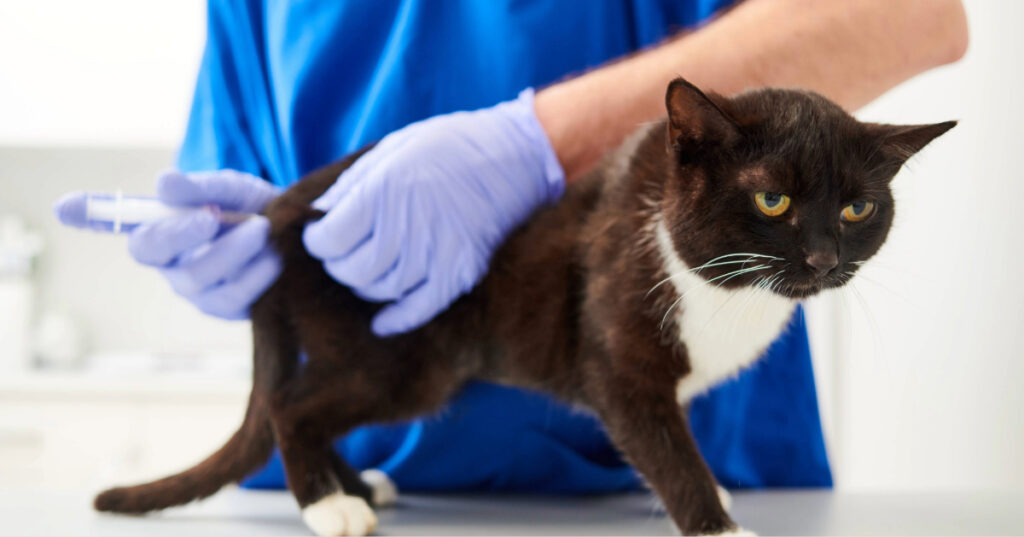
Whether your cat ventures outside to explore or spends their days napping in a sunny window, one thing remains true for both: cat vaccinations are essential. Pet owners sometimes assume that indoor cats don’t need vaccines, or that outdoor cats somehow need fewer. In reality, the right cat vaccination schedule depends on your cat’s individual lifestyle, risk factors, and health history. This guide from the team at Best Friends Animal Hospital in Manchester, NH breaks down everything you need to know about cat vaccines, from the core shots every cat needs to the lifestyle-specific vaccines that offer added protection.
Why Cat Vaccinations Matter
Cat vaccinations at Best Friends Animal Hospital protect your cat from a range of serious and potentially fatal infectious diseases. They also play a role in protecting public health, since some diseases like rabies can be transmitted from cats to humans. Vaccines work by training the immune system to recognize and fight specific pathogens before your cat is ever exposed to them.
Beyond protecting individual cats, widespread vaccination in a community creates what’s known as herd immunity, reducing the overall prevalence of disease and protecting cats who cannot be vaccinated for medical reasons. At Best Friends Animal Hospital, we believe that up-to-date cat vaccinations are one of the most valuable preventive health investments a pet owner can make.
Do Indoor Cats Need Vaccines?
Yes, absolutely. Indoor cats still face exposure risks. They can escape outdoors accidentally, come into contact with new animals brought into the home, be exposed to viruses carried in on clothing or shoes, or need to be boarded or hospitalized at some point. Rabies vaccination is required by law in most states for all cats, regardless of indoor or outdoor status. Cat vaccinations for indoor cats may be fewer in number, but they are still necessary.
Core Cat Vaccinations
Core cat vaccines are recommended for all cats, regardless of their lifestyle. These vaccines protect against diseases that are widespread, highly contagious, or pose a serious risk to health.
FVRCP (Feline Viral Rhinotracheitis, Calicivirus, and Panleukopenia)
The FVRCP vaccine is often called the feline distemper vaccine, though it actually protects against three separate diseases. Feline viral rhinotracheitis (caused by feline herpesvirus) and calicivirus are both common causes of upper respiratory infections in cats, leading to sneezing, eye discharge, nasal congestion, and oral ulcers. Panleukopenia is a severe, often fatal gastrointestinal disease that can spread rapidly through unvaccinated cat populations. This combination vaccine is considered essential for all cats and is given in a series as kittens, then as adult boosters.
Rabies
Rabies vaccination is legally required for cats in most U.S. states, including New Hampshire. Rabies is a fatal viral disease that affects the nervous system and can be transmitted to humans through bites or scratches. Even cats that never go outside should be vaccinated against rabies, both as a legal requirement and as a safeguard against accidental exposure. Rabies cat vaccinations are typically given at around 12 to 16 weeks of age, with boosters at 1 year and then every 1 to 3 years depending on the vaccine type.
Lifestyle-Based Cat Vaccinations
In addition to core vaccines, your veterinarian may recommend certain non-core cat vaccinations based on your cat’s individual risk factors. These are sometimes called lifestyle vaccines because the decision to use them is based on factors like outdoor access, exposure to other cats, geographic location, and overall health status.
Feline Leukemia Virus (FeLV)
Feline leukemia virus is one of the most common infectious diseases in cats and a leading cause of illness and death in the feline population. FeLV is spread through close contact with infected cats, including mutual grooming, shared food and water bowls, and bite wounds. The FeLV vaccine is strongly recommended for all kittens and for any cat that goes outdoors or has contact with cats of unknown vaccination status. Cats that are strictly indoor-only with no exposure to other cats may not need this vaccine, but the decision should be made with your veterinarian.
Feline Immunodeficiency Virus (FIV)
FIV is spread primarily through deep bite wounds, making outdoor cats and cats that fight more vulnerable. There is a vaccine available for FIV, though it is less commonly recommended due to some complexities around testing. Talk to our team at Best Friends Animal Hospital about whether the FIV vaccine is appropriate for your cat.
Bordetella and Chlamydophila
These vaccines may be recommended for cats in multi-cat households, breeding catteries, or those that are frequently boarded. Bordetella (the feline version of kennel cough) and Chlamydophila felis (a bacterial cause of eye and respiratory infections) are more likely to be a concern in high-density environments where cats have regular contact with one another.
The Cat Vaccination Schedule
Cat vaccination schedules vary depending on the cat’s age, prior vaccination history, and lifestyle. Here’s a general overview of what to expect:
Kitten Vaccination Schedule
- 6 to 8 weeks: First FVRCP vaccine
- 10 to 12 weeks: Second FVRCP; FeLV vaccine (first dose) for at-risk kittens
- 14 to 16 weeks: Third FVRCP; rabies vaccine; FeLV booster if applicable
- One year later: FVRCP booster; rabies booster; FeLV booster if applicable
Adult Cat Vaccination Schedule
After the initial kitten series and one-year boosters, most adult cats receive FVRCP vaccines every 1 to 3 years depending on the vaccine used. Rabies cat vaccinations are given every 1 to 3 years based on vaccine type and local regulations. FeLV boosters are typically given annually for cats that remain at risk. Your veterinarian at Best Friends Animal Hospital will create a personalized schedule based on your cat’s specific needs.
Benefits of Staying on Schedule
Staying current on cat vaccinations offers more than just disease prevention. Annual or biannual vet visits for booster shots also serve as routine wellness exams that allow our veterinarians to catch early signs of health problems before they become serious. Many conditions in cats, including dental disease, kidney disease, hyperthyroidism, and diabetes, are far more manageable when detected early.
Additionally, up-to-date cat vaccines are often required for boarding, grooming, and certain housing situations. Keeping vaccination records current gives you flexibility and peace of mind, knowing your cat is protected wherever life takes them.
Common Misconceptions About Cat Vaccinations
Despite the clear benefits, some misconceptions about cat vaccines persist. Here are a few worth addressing:
“My cat is healthy, so they don’t need vaccines.”
Vaccines are preventive, not reactive. A healthy cat is the ideal candidate for vaccination. Waiting until a cat is sick is too late for a vaccine to help against that disease.
“Vaccines cause feline injection-site sarcoma.”
Feline injection-site sarcoma (FISS) is a rare but real complication associated with any injection, not just vaccines. Modern vaccines are formulated to reduce this risk, and veterinarians follow protocols to minimize it further. The risk of FISS is far lower than the risk of dying from a preventable disease. Your vet will discuss any concerns you have about injection site reactions.
“Once vaccinated, cats are protected forever.”
Vaccine-induced immunity fades over time. Booster doses are necessary to maintain protection. The frequency of boosters depends on the specific vaccine and your cat’s risk level, which is why regular vet visits are so important.
The Lasting Value of Cat Vaccinations
Cat vaccinations are one of the most straightforward and effective tools available for protecting your cat’s long-term health. Whether you have a kitten getting their first series of shots or an adult cat who has been overdue for boosters, it’s never too late to get back on track. Our team at Best Friends Animal Hospital in Manchester, NH is here to help you navigate your cat’s vaccination needs with care, expertise, and personalized recommendations. Call us at (603) 625-2378 today to schedule your cat’s wellness exam and vaccination review.