Dog dehydration happens when your dog loses more fluid than they take in, leaving the body without enough water to function normally. Common warning signs include dry or sticky gums, sunken eyes, low energy, thick saliva, and a loss of skin elasticity. Water makes up roughly 60 to 70 percent of an adult dog’s body weight, so even a modest shortfall can affect digestion, circulation, temperature control, and organ health. Some cases develop over a single hot afternoon, while others build slowly alongside an illness that is easy to miss. Because dehydration can turn serious quickly, recognizing the early clues gives you a head start on getting your dog the care they need. In this guide, our veterinary team at Best Friends Animal Hospital in Manchester, NH explains what causes fluid loss in dogs, which symptoms deserve a call to your vet, how veterinarians treat it, and what daily habits help prevent it.
What Is Canine Dehydration?
Canine dehydration is a state of fluid imbalance where water loss outpaces water intake. It involves more than thirst, because the body loses electrolytes along with water.
Why Fluid Balance Matters
Every system in your dog’s body relies on water. Fluids carry nutrients to cells, cushion joints, help regulate body temperature, and flush waste through the kidneys. Dogs also lose fluid in ways people sometimes overlook, such as panting, drooling, urinating, and through their paw pads. When those losses go unreplaced, blood volume drops and organs receive less oxygen and nutrition.
Electrolytes Play a Role Too
Water rarely leaves the body alone. Sodium, potassium, and chloride travel with it, and these minerals help control nerve signals, muscle contractions, and heart rhythm. That is why dog dehydration can affect so much more than energy levels. An electrolyte imbalance may contribute to weakness, muscle tremors, or changes in heart function.
Mild Versus Severe Cases
Veterinarians often describe dehydration as a percentage of body weight lost as fluid. Mild cases may produce subtle changes that are easy to dismiss, while severe dehydration in dogs can lead to shock and become life-threatening. Since the line between mild and serious is hard to judge at home, a veterinary exam is the only reliable way to know how much fluid your dog has lost and what support they need.
Causes of Dehydration in Dogs
Several everyday situations and medical conditions can tip a dog into a fluid deficit. Some causes are obvious, while others sit quietly in the background.
Environmental and Lifestyle Factors
Warm weather is one of the most familiar triggers for dog dehydration. New Hampshire summers can bring humid stretches, and dogs cool themselves mainly by panting, which releases moisture with every breath. Long hikes, games of fetch, and car rides without water breaks all raise the risk. Other lifestyle triggers include:
- A water bowl that tips over, runs empty, or freezes during winter
- Strenuous exercise without frequent drinking breaks
- Travel or boarding stress that reduces a dog’s interest in drinking
- A diet made up entirely of dry kibble, which contains little moisture
Medical Conditions Linked to Fluid Loss
Illness is a leading cause of dog dehydration. Vomiting and diarrhea drain fluids rapidly, especially in puppies and small breeds. Fever increases water needs, and conditions such as kidney disease, diabetes, and certain hormone disorders can cause a dog to urinate excessively. Heatstroke, infections, and some medications may also play a part.
Dogs at Higher Risk
When it comes to dog dehydration, puppies, senior dogs, nursing mothers, and pets with chronic health conditions have less margin for error when it comes to fluid balance. Flat-faced breeds like Bulldogs and Pugs struggle to cool themselves efficiently, so they tend to overheat and lose fluid faster during warm weather or exercise.
What Are the Symptoms of Canine Dehydration?
Dehydration symptoms can start out subtle and become more pronounced as fluid loss continues. Watching for early changes helps you act before the situation escalates.
Common Warning Signs
Many owners first notice dog dehydration when their pet simply seems “off.” Pay attention to the following clues:
- Dry, tacky, or pale gums
- Thick, sticky saliva or a dry nose
- Eyes that appear sunken or dull
- Lethargy, weakness, or reluctance to play
- Reduced appetite
- Skin that loses its normal elasticity and stays tented when lifted
- Darker urine or less frequent urination
Signs That Need Urgent Attention
Severe dog dehydration may cause collapse, rapid heart rate, heavy panting, confusion, or cold paws. If your dog shows any of these signs, or if vomiting or diarrhea continues for more than a few hours, contact your veterinarian or an emergency clinic right away. Puppies and seniors deserve an especially quick response, because they can decline faster than healthy adult dogs.
Why Symptoms Can Be Misleading
Several of these signs overlap with other health problems, from dental disease to infection. A dry nose alone, for example, does not confirm dog dehydration. That overlap is one more reason to let your veterinarian make the call rather than guessing at home.
Treating Canine Dehydration
Treatment for canine dehydration belongs in the hands of a veterinary team. Your vet will focus on restoring fluids and, just as importantly, identifying what caused the loss in the first place.
How Veterinarians Diagnose Dehydration
Your veterinarian starts with a physical exam, checking gum moisture, capillary refill time, eye position, skin elasticity, and heart rate. Bloodwork and a urinalysis help measure how concentrated the blood has become and reveal how the kidneys are handling the strain. These tests also uncover the underlying conditions behind dog dehydration, such as infection or diabetes, that may be driving the problem.
What Professional Treatment May Involve
Depending on severity, a veterinarian may give fluids under the skin or through an intravenous catheter. IV fluids allow precise control over volume and electrolyte balance, which matters for dogs with moderate to severe dog dehydration. Some patients need hospitalization for monitoring, along with medications that address nausea, vomiting, or the underlying illness.
Why At-Home Fixes Fall Short
It can be tempting to push water or try a sports drink, but forcing fluids into a vomiting or weak dog can make things worse. Human electrolyte drinks are not formulated for dogs either. Calling your veterinarian promptly is the safest path, since they can recommend the right next step for your specific pet.
How to Prevent Dehydration in Dogs
Preventing dog dehydration mostly comes down to steady routines and paying attention to how your dog drinks and behaves day to day.
Daily Hydration Habits
Simple adjustments can make fresh water more appealing and easier to reach:
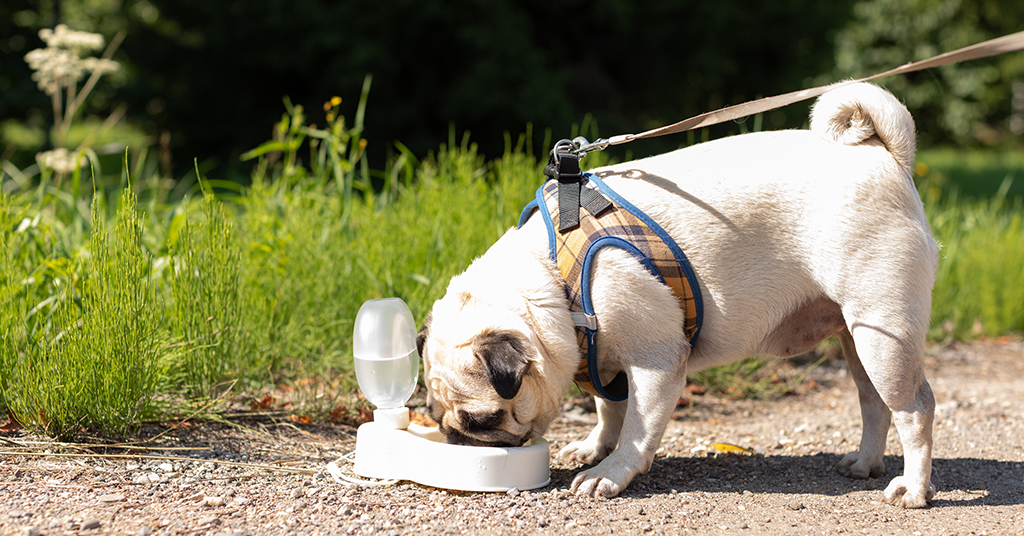
- Place water bowls in more than one room, and refill them at least twice daily
- Wash bowls regularly so they stay clean and inviting
- Carry a collapsible bowl and bottle on walks, hikes, and road trips
- Ask your veterinarian whether adding wet food to your dog’s diet makes sense
Seasonal Precautions in New England
During summer, schedule walks for early morning or evening and offer shade during outdoor time. Never leave a dog in a parked car, even with the windows cracked. Winter brings its own challenges, since outdoor bowls can freeze and indoor heating dries the air, so check water supplies often during cold snaps.
The Value of Routine Checkups
Wellness visits help catch conditions like kidney disease or diabetes before they lead to chronic fluid loss. If you notice your dog drinking noticeably more or less than usual, mention it to your veterinarian, since changes in thirst can be an early clue to an underlying problem.
Partner With Your Manchester Veterinary Team on Hydration
Dog dehydration can develop faster than many owners expect, but knowing the causes and warning signs puts you in a strong position to respond. Dry gums, sunken eyes, lethargy, and changes in urination are all signals worth taking seriously, particularly in puppies, seniors, and dogs with ongoing health conditions. Prevention starts with fresh water, sensible exercise in hot weather, and regular wellness exams that help spot hidden illnesses early.
If you suspect your dog is dehydrated, please do not wait to see whether the signs improve on their own. Our team at Best Friends Animal Hospital welcomes questions about hydration, nutrition, and seasonal safety, and we can examine your dog to find the root cause of any fluid loss. To schedule a visit or talk with our staff, call Best Friends Animal Hospital in Manchester, NH at (603) 625-2378.