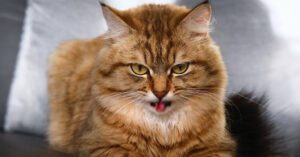
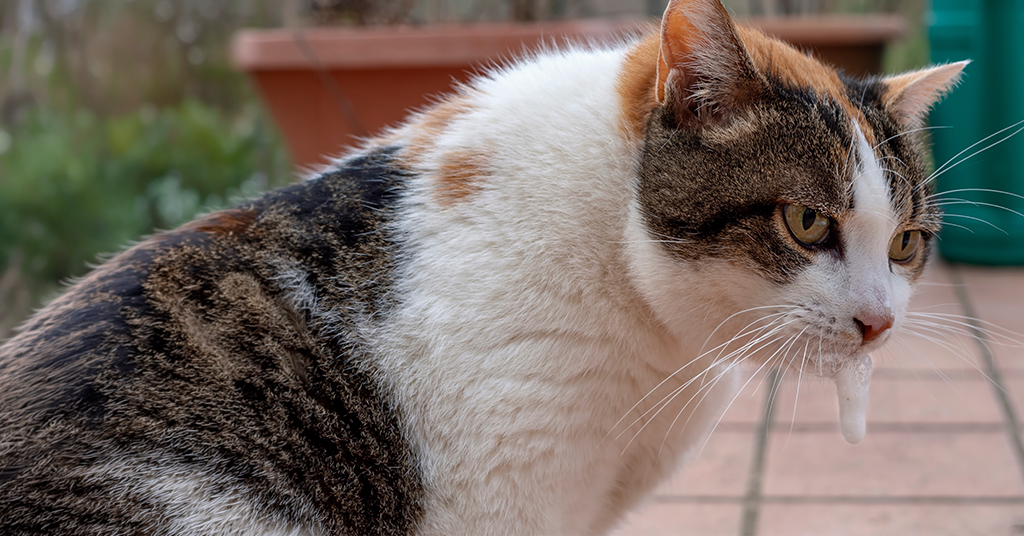
A cat vomiting white foam usually has an empty stomach, and the foam is a mix of saliva, mucus, and stomach fluid brought up when there is no food left to expel. Common triggers include hairballs, eating too fast, long gaps between meals, and stomach irritation, though more serious conditions like kidney disease, pancreatitis, or a swallowed object can also be responsible. An isolated episode in an otherwise bright, hungry cat may not signal anything alarming. Repeated episodes, however, tell you something deserves a closer look. Cats are skilled at hiding discomfort, so vomiting is often one of the few visible clues that something is off inside. In this blog, our team at Best Friends Animal Hospital in Manchester, NH breaks down what white foam actually is, the most frequent reasons cats bring it up, the signs that call for a veterinary visit, and how veterinarians get to the bottom of the problem.
What Does White Foam Vomit Mean in Cats?
The appearance of vomit can offer helpful clues about what is happening in your cat’s digestive tract. White, frothy vomit has a few distinct characteristics worth understanding.
What the Foam Is Made Of
When a cat vomits on an empty stomach, there is no food to bring up. Instead, the stomach expels gastric juices mixed with saliva and air, which whips the liquid into a white or clear froth. Sometimes the foam carries a tinge of yellow, which usually indicates bile from the small intestine. In other words, cat vomiting white foam often tells you more about timing than about a specific disease.
Vomiting Versus Regurgitation
Veterinarians distinguish between vomiting and regurgitation, and the difference matters when they evaluate your cat. Vomiting is an active process. You will typically see heaving, abdominal contractions, and drooling beforehand. Regurgitation is more passive, with undigested material or foam coming up suddenly and with little effort, often shortly after eating. Noticing which one your cat does can help your veterinarian narrow down possible causes.
Why Occasional Episodes Still Matter
Many cat owners assume vomiting, including a cat vomiting white foam now and then, is simply part of life with a feline. While an occasional hairball can be normal, frequent vomiting is not something to dismiss. A cat that brings up foam weekly, or more often, may be dealing with an ongoing digestive or metabolic condition that benefits from early attention. Tracking how often episodes happen gives your veterinarian valuable context.
Common Causes of Cat Vomiting White Foam
The reasons behind cat vomiting white foam range from minor and temporary to serious and chronic. Here are the culprits veterinarians see most often.
Everyday Digestive Triggers
Several common causes relate to eating habits and grooming:
- Hairballs: Fur swallowed during grooming can irritate the stomach, and foam sometimes comes up before or instead of the hairball itself.
- Hunger vomiting: Long stretches between meals allow stomach acid to build, which can cause early-morning foam.
- Eating too quickly: Cats that gulp their food may bring it back up, followed by foam.
- Diet changes: Switching foods abruptly can upset a sensitive stomach.
- Grass or houseplants: Chewing on plants can trigger vomiting, and some common houseplants, including lilies, are toxic to cats.
Medical Conditions Behind Frothy Vomit
When cat vomiting white foam becomes frequent, an underlying illness may be involved. Inflammatory bowel disease, food allergies, and gastritis all cause stomach irritation. Kidney disease, hyperthyroidism, diabetes, and liver disease are especially common in older cats and often show up with vomiting alongside weight changes or increased thirst. Pancreatitis can cause nausea and appetite loss, while intestinal parasites tend to affect younger cats and kittens.
Foreign Objects and Toxins
Curious cats sometimes swallow string, hair ties, ribbon, or small toy parts. These items can cause a dangerous blockage, and linear objects like thread can damage the intestines. Exposure to toxic plants, cleaning products, or human medications may also trigger vomiting and requires immediate veterinary attention.
When Should You Call the Vet About Your Cat’s Vomiting?
Knowing when foam is a passing issue and when it needs professional evaluation can be tricky. A few guidelines help you decide.
Red Flags That Need Prompt Care
Contact your veterinarian right away if cat vomiting white foam comes with any of these signs:
- Vomiting several times in one day or multiple days in a row
- Refusing food for more than 24 hours
- Blood in the vomit, or material that resembles coffee grounds
- Lethargy, hiding, or unusual weakness
- Repeated retching with nothing coming up
- A painful, swollen, or tense belly
- Diarrhea, weight loss, or noticeably increased thirst
- Known or suspected contact with a toxin or foreign object
Why Cats Should Not Go Long Without Eating
Cats face a unique risk when they stop eating. A cat that goes without food for even a few days can develop hepatic lipidosis, often called fatty liver disease, which is a serious condition. If vomiting has caused your cat to lose interest in meals, reach out to your veterinarian sooner rather than later.
Details Worth Tracking Before Your Visit
Your observations at home can speed up the diagnostic process. If you notice your cat vomiting white foam more than once, jot down the date, the time of day, and how long it had been since your cat last ate. Note whether the foam was white, clear, or yellow, and whether any hair, food, grass, or foreign material came up with it. Changes in litter box habits, water intake, appetite, or energy are all worth mentioning too. This simple record helps your veterinarian spot patterns, such as early-morning episodes that point toward an empty stomach, or a gradual increase in frequency that suggests a chronic condition.
Kittens and Seniors Need Extra Caution
When it comes to a cat vomiting white foam, young kittens can dehydrate quickly, and senior cats are more likely to have chronic conditions behind their symptoms. For cats in either age group, a call to your veterinary team after even a couple of episodes is a reasonable step.
How Do Veterinarians Diagnose and Treat Foamy Vomiting?
Finding the cause is the key to effective care, because cat vomiting white foam is a symptom rather than a diagnosis on its own.
What to Expect During the Exam
Your veterinarian will begin by asking about your cat’s diet, routine, and the timing and frequency of the vomiting. Bringing a photo of the vomit, or notes about when episodes happen, can be surprisingly helpful. A physical exam checks hydration, abdominal comfort, weight, and overall condition.
Diagnostic Testing
Depending on what the exam reveals about your cat vomiting white foam, your veterinarian may recommend bloodwork to evaluate kidney, liver, and thyroid function, along with a urinalysis. A fecal test can rule out parasites. X-rays or an ultrasound help identify foreign objects, masses, or changes in the stomach and intestines. In some chronic cases, further testing may be needed to confirm conditions like inflammatory bowel disease.
Treatment Tailored to the Cause
Treatment depends entirely on the diagnosis. Your veterinarian may prescribe anti-nausea medication, recommend a specific diet, provide fluid therapy for dehydration, or manage an underlying condition such as hyperthyroidism or kidney disease. Foreign objects sometimes require surgery or endoscopy. Please avoid giving your cat human medications, since many are toxic to felines, and always follow your veterinarian’s guidance.
Help for Your Vomiting Cat in Manchester, NH
Seeing your cat vomiting white foam can be unsettling, but understanding the possible reasons helps you respond with confidence. Hunger, hairballs, and fast eating explain many single episodes, while frequent or severe vomiting can point to conditions that respond best to early diagnosis. Watch for patterns, note any additional symptoms, and trust your instincts when your cat simply does not seem like themselves.
Our veterinarians and staff at Best Friends Animal Hospital are here to help you sort out what is behind your cat’s symptoms. From thorough exams to diagnostic testing, our team works with you to find answers and build a care plan suited to your cat’s needs. If your cat has been vomiting foam more than occasionally, or shows any warning signs, please reach out. Call Best Friends Animal Hospital in Manchester, NH at (603) 625-2378 to schedule an appointment.