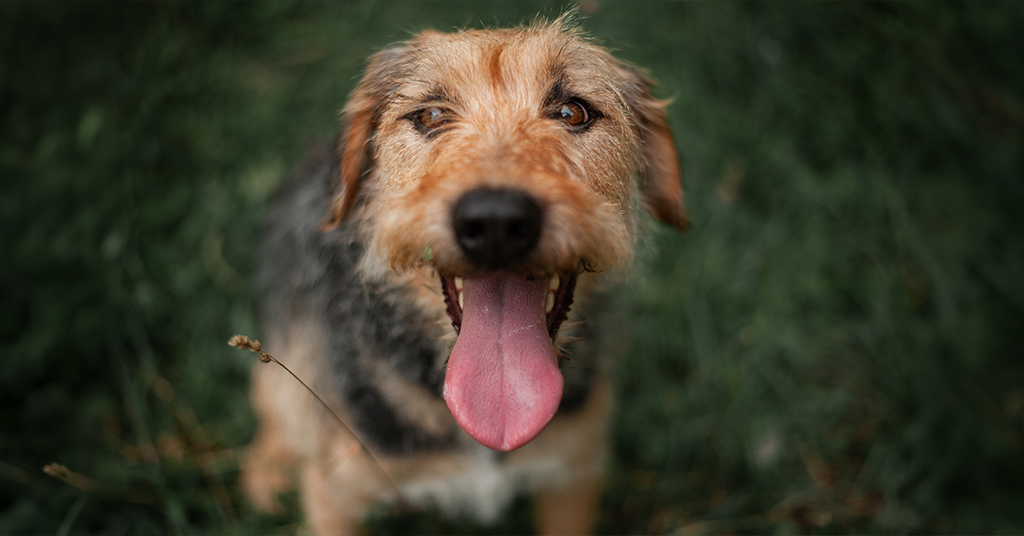
Most dog panting is normal. Dogs pant to cool down after exercise, in warm weather, or when they feel excited or nervous. Panting becomes a concern when it happens at rest, in a cool room, or alongside signs like restlessness, pale or blue gums, or weakness, since these can point to pain, heatstroke, heart or respiratory disease, or another medical problem. Because dogs have very few sweat glands, their breathing does much of the work people rely on sweat for, so a certain amount of huffing and puffing comes with the territory. The challenge for pet parents is telling an ordinary post-walk pant apart from breathing that signals trouble. This guide from Best Friends Animal Hospital in Manchester, NH covers why dogs pant, the most common reasons behind heavy breathing, how to spot excessive dog panting, and what steps to take if your pup seems to be struggling.
Why Does a Dog Pant?
Panting is one of the main tools a dog uses to manage body temperature. It also reflects emotional states, which is why the context around it matters so much.
Panting as a Built-In Cooling System
Dogs only sweat through their paw pads, and that small amount of moisture does little to lower body heat. Instead, rapid, shallow breaths move air across the moist surfaces of the tongue, mouth, and upper airways. As that moisture evaporates, it carries heat away from the body. This process explains why dog panting increases after a game of fetch or a summer stroll and fades once your dog rests in a comfortable spot.
Emotional and Behavioral Triggers
Excitement can trigger dog panting just as easily as heat. The arrival of a favorite person, the jingle of a leash, or a car ride to the park may all spark a burst of fast breathing. Stress works the same way. Thunderstorms, fireworks, vet visits, and unfamiliar places commonly cause anxious panting, often paired with pacing, whining, yawning, or tucked ears.
Breed and Body Type Differences
Some dogs naturally pant more than others, and that baseline matters when you judge whether dog panting is normal for your pet. Brachycephalic, or flat-faced, breeds like Pugs, Bulldogs, Boston Terriers, and Shih Tzus have shortened airways that make cooling less efficient. Dogs with thick double coats, such as Huskies and Newfoundlands, may also pant more readily in warm conditions. Overweight dogs work harder to move and to shed heat, so they tend to breathe heavily with less effort.
Why Is My Dog Panting So Much?
When panting seems out of proportion to the situation, an underlying cause may be at play. Some reasons are temporary, while others need medical attention.
Heat and Overexertion
Hot, humid days place heavy demands on a dog’s cooling system. Long hikes, vigorous play, and time in a warm car can push body temperature beyond what panting alone can handle. Heatstroke is a true emergency, and early signs include frantic dog panting, thick drool, bright red gums, and stumbling.
Medical Conditions Linked to Heavy Breathing
A range of health issues can cause a dog to pant more than usual:
- Pain: Arthritis, injuries, and internal discomfort often show up as panting before any limp or whimper appears.
- Heart disease: A struggling heart can lead to fluid buildup and labored breathing.
- Respiratory problems: Laryngeal paralysis, collapsing trachea, pneumonia, and airway obstructions all affect breathing.
- Cushing’s disease: This hormone disorder frequently causes increased panting, thirst, and a pot-bellied appearance.
- Anemia: A low red blood cell count reduces oxygen delivery, prompting faster breathing.
- Fever or infection: An elevated temperature naturally increases respiratory rate.
Medications, Toxins, and Life Stage
Certain prescription medications, including steroids, can make a dog pant more as a side effect. Toxin exposure is another possibility, so heavy breathing that starts suddenly after your dog gets into something should be taken seriously. Senior dogs may also pant more due to age-related conditions or cognitive changes that cause nighttime restlessness. Because several of these causes share similar signs, it is hard to tell from home whether dog panting stems from pain, a hormone imbalance, or a heart or lung problem. A veterinary exam is the most reliable way to sort through the possibilities and find the true source.
How Can You Tell If a Dog’s Excessively Panting?
The difference between normal and excessive dog panting often comes down to timing, intensity, and the signs that appear alongside it.
Normal Panting Patterns
Healthy panting has an obvious trigger, like exercise, heat, or excitement, and it slows within several minutes once your dog rests in a cooler spot. Your dog’s tongue looks pink, their eyes stay bright, and they remain responsive and relaxed between breaths. Knowing your dog’s typical breathing rate while they sleep gives you a helpful baseline, and your veterinarian can explain what range is normal for your pet.
Warning Signs of Abnormal Panting
Contact your veterinarian if dog panting comes with any of the following:
- Panting while resting in a cool, calm environment
- Breathing that sounds raspy, noisy, or high-pitched
- Gums or tongue that look pale, gray, purple, or blue
- Restlessness, pacing, or an inability to settle
- Coughing, especially at night or after lying down
- Collapse, stumbling, or extreme weakness
- A swollen or hard belly paired with unproductive retching
Changes Over Time
Not every problem arrives suddenly, and some of the most important clues about dog panting build quietly over weeks or months. A dog that gradually begins panting more during routine walks, or that pants at night when it never used to, may be showing the early stages of a chronic condition. If you notice a slow shift in your dog’s breathing habits, mention it at your next visit or schedule an exam sooner. A short video of the panting episode can be very useful for your veterinarian.
What To Do if Your Dog Is Panting Heavily
How you respond depends on whether the dog panting has a clear, harmless explanation or comes with warning signs that suggest something more serious.
Pause and Observe the Situation
If your dog has just finished playing or walking, stop the activity and let them rest in a calm, comfortable space with fresh water available. Watch whether the breathing slows within several minutes. Panting that eases quickly after a clear trigger is usually part of normal behavior.
When to Seek Emergency Care
Heavy breathing that does not improve with rest, or that comes with collapse, blue or pale gums, confusion, or signs of heatstroke, requires immediate veterinary attention. Call your veterinarian at Best Friends Animal Hospital or the nearest emergency hospital right away and let them know you are on your way. Our team can advise you on what to do during transport based on your dog’s condition. Brachycephalic breeds and senior dogs can deteriorate quickly, so err on the side of caution with these pets.
What Happens at the Veterinary Clinic
Your veterinarian will listen to your dog’s heart and lungs, check gum color and body temperature, and ask about recent activity, medications, and possible toxin exposure. Depending on the findings, they may recommend bloodwork, chest X-rays, or other diagnostic tests to pinpoint the cause. Treatment depends on the diagnosis and may include pain management, cooling support for heatstroke, oxygen therapy, or care for an underlying condition like heart disease. Please avoid giving your dog any medications at home without veterinary direction, since some human pain relievers are toxic to dogs.
Get Answers About Your Dog’s Breathing in Manchester, NH
Dog panting is a normal and necessary behavior, and most of the time it simply means your pup is warm, happy, or a little worked up. Paying attention to the context makes all the difference. Panting that fits the situation and settles with rest is rarely a concern, while heavy breathing at rest, unusual gum color, or a gradual change in breathing habits deserves a professional opinion.
Our veterinarians at Best Friends Animal Hospital are glad to help you understand what is behind your dog’s panting, whether it is a sudden change or a pattern you have noticed over time. A thorough exam can rule out pain, heart disease, hormonal disorders, and other conditions that affect breathing. To schedule an appointment or ask a question about your dog’s health, call Best Friends Animal Hospital in Manchester, NH at (603) 625-2378.