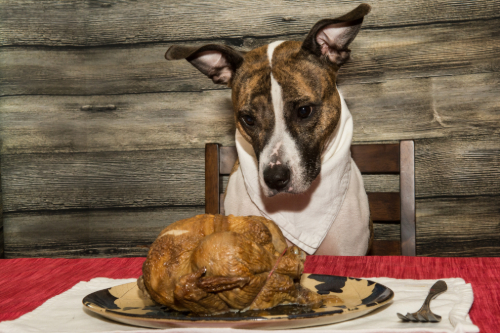
Turkey is one of those foods that seems irresistible to dogs, whether it’s carved fresh at the holiday table or sizzling on the stove during a weeknight meal. If your pup has ever stared at you with hopeful eyes, you’ve probably asked yourself, can dogs eat turkey? Before sharing a bite, it’s important to know when turkey is safe, when it’s not, and what risks it may pose. This blog breaks down everything pet owners in Manchester, NH, should know about dogs and turkey so you can make confident, informed choices for your four-legged family member.
Can Dogs Eat Turkey Safely?
When pet owners ask “Can dogs eat turkey?”, the answer depends on how the turkey is prepared and served. Turkey meat itself contains lean protein, which can benefit your dog’s diet. However, the way turkey is seasoned, cooked, or presented can determine whether it’s safe or harmful.
- Plain, cooked turkey is usually safe in small amounts.
- Seasoned or heavily spiced turkey can upset your dog’s stomach.
- Turkey skin and fat may contribute to digestive issues and weight gain.
- Bones from turkey can splinter and create choking hazards or internal injuries.
Why Dogs Might Benefit from Turkey
Protein plays an important role in a dog’s diet, and turkey can provide valuable nutrients. So when people ask if dogs can eat turkey, it’s not only about safety but also about the potential benefits.
Nutritional Value of Turkey
Turkey contains lean protein, which supports strong muscles and energy levels. It also provides:
- Vitamin B6 for healthy metabolism
- Niacin for cellular function
- Phosphorus for bone health
- Zinc for immune support
In moderation, turkey can be a beneficial addition to a dog’s diet. Still, the key is moderation and preparation without harmful extras.
Risks of Feeding Dogs Turkey
While turkey has nutritional value, certain parts of turkey or preparation methods make it unsafe.
Bones and Choking Hazards
Cooked turkey bones can splinter, causing injuries to the mouth, throat, or intestines. These risks make bones unsafe for dogs.
High Fat Content
Turkey skin and dark meat are fatty. Excess fat can cause digestive upset or contribute to health problems such as obesity over time.
Seasonings and Additives
Many turkey dishes contain garlic, onions, salt, or butter, all of which are harmful to dogs. Even small amounts can create stomach upset or worse. Because of these risks, always consider how the turkey was prepared before giving it to your dog.
What About Deli Turkey and Processed Meats?
When wondering if dogs can eat turkey, pet owners also might have questions about deli turkey or processed products.
Deli Meat Considerations
Deli turkey often contains high levels of sodium, preservatives, and seasonings. These ingredients are not safe for dogs and can lead to dehydration, digestive issues, or long-term health problems.
Sausage and Turkey Hot Dogs
Processed turkey sausage and hot dogs typically include additives, spices, and excess fat. These products are not recommended for dogs. If you want to share turkey with your pet, avoid these processed options entirely.
How Portion Size Matters
If you’re asking, “Can dogs eat turkey?”, portion size is part of the answer. Even plain, lean turkey should only be given in moderation.
- Small amounts may serve as an occasional treat.
- Large servings may upset your dog’s digestive system.
- Turkey should never replace a balanced dog diet.
The safest approach is offering a bite or two of plain, cooked, unseasoned turkey rather than making it a daily habit.
Can Dogs Eat Turkey During the Holidays?
Holidays often prompt the question, “Can dogs eat turkey?”, since turkey is central to celebrations. During these times, the risks increase because of added seasonings, stuffing, and sauces.
Common Holiday Risks
- Stuffing often contains onions or garlic.
- Gravy is high in fat and sodium.
- Table scraps may combine turkey with unsafe ingredients.
Keeping holiday foods separate from your dog’s meals is a safe practice.
Signs of Trouble After Eating Turkey
Even when precautions are taken, some dogs may react poorly to turkey. Pet owners should also know what to watch for if their dog sneaks a piece.
Symptoms to Monitor
- Vomiting
- Diarrhea
- Lethargy
- Loss of appetite
- Signs of choking or difficulty breathing
If you notice these symptoms, it’s best to contact your veterinarian right away for guidance.
Can Puppies Eat Turkey?
Puppies may prompt a separate version of the question: Can dogs eat turkey when they are still growing? Puppies have sensitive digestive systems, and rich or fatty foods can upset their stomachs. Plain, lean, cooked turkey in very small amounts may be safe for older puppies, but avoid offering it regularly or in large portions.
When to Ask Your Veterinarian About Turkey
Because every dog is different, the question of can dogs eat turkey sometimes requires a personalized answer. Factors such as age, breed, weight, and health conditions may influence whether turkey is appropriate for your pet. If you’re unsure, consulting a veterinarian is always the best choice.
A Healthy Approach to Turkey for Dogs
So, can dogs eat turkey? Yes, but only under the right circumstances. Plain, unseasoned turkey in small portions may be a safe treat, while bones, skin, processed meats, and heavily seasoned turkey should always be avoided. If you’re wondering whether turkey is right for your pet, the knowledgeable team at Best Friends Animal Hospital in Manchester, NH, can help. Call (603) 625-2378 today to learn more about safe food choices for your dog and to schedule an appointment with our experienced veterinary team.