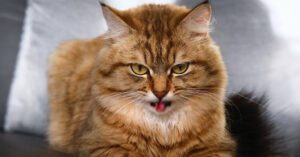
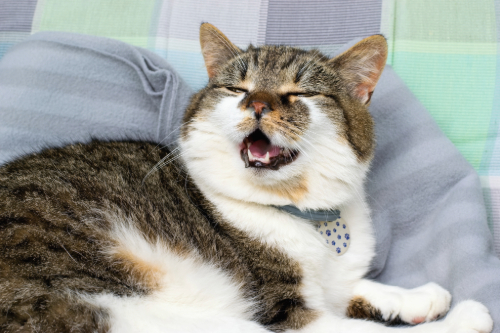
It can catch you off guard when your cat suddenly lets out a sharp sneeze, and it’s even more surprising when those sneezes keep happening. While one or two sneezes may seem harmless, frequent episodes often leave pet owners wondering if something more is going on. Sneezing in cats can stem from many different factors, from something as simple as dust in the air to health concerns that require veterinary attention. The team at Best Friends Veterinary Hospital is here to help you understand why cat sneezing happens and help you recognize what’s normal and when it may be time to seek care for your pet.
Causes of Sneezing in Cats
When you notice your cat sneezing, it’s natural to question what might be causing it. In many cases, the reasons are relatively simple, but persistent cat sneezing should always be taken seriously.
Environmental Irritants
Cats are sensitive to their surroundings. Dust, smoke, perfumes, cleaning chemicals, or even pollen can irritate your cat’s nasal passages and lead to sneezing. Much like humans, cats react to these airborne irritants by sneezing as a way to clear their nose.
Viral Infections
Respiratory viruses are one of the most common causes of cat sneezing. Cats may be exposed to viruses like feline herpesvirus or calicivirus, which can result in upper respiratory symptoms. Sneezing, watery eyes, and nasal discharge are typical signs when these viruses are present.
Bacterial Infections
While viruses often start the process, bacterial infections can develop alongside them. Infections caused by bacteria such as Chlamydia felis or Bordetella bronchiseptica may lead to ongoing cat sneezing and nasal discharge.
Allergies
Though less common than in dogs, cats can develop allergies. Cat sneezing triggered by allergies may occur seasonally or year-round, depending on the allergen.
When Cat Sneezing Signals a Bigger Problem
Not every cat sneeze is a cause for concern, but frequent or intense episodes should raise awareness. Cats often mask discomfort, so noticeable changes in sneezing patterns can indicate that something more serious is happening.
Signs to Watch For
If you observe any of the following signs along with cat sneezing, it’s best to contact your veterinarian:
- Persistent nasal discharge (clear, yellow, or green)
- Difficulty breathing
- Eye discharge or redness
- Loss of appetite
- Lethargy or decreased activity
Chronic Conditions
In some cases, cat sneezing may be linked to chronic conditions like dental disease or long-term viral infections. Dental issues, for example, can affect the nasal passages, leading to sneezing. Cats with chronic viral infections may also experience recurring symptoms throughout their lives.
How Your Veterinarian Can Help with Cat Sneezing
If your cat sneezing continues beyond an occasional episode, your veterinarian can provide the answers you need. Professional evaluation ensures that any underlying conditions are addressed promptly.
Diagnostic Tools
Veterinarians use several diagnostic methods to evaluate cat sneezing. These may include:
- Physical examinations to check for nasal or oral issues
- Laboratory testing to identify viral or bacterial infections
- Imaging such as X-rays to assess nasal or dental concerns
Treatment Options
The right approach depends on the cause of cat sneezing. Veterinary care may include supportive treatments, antibiotics for bacterial infections, or other therapies tailored to your cat’s condition. The goal is to provide relief and prevent complications from ongoing sneezing. Can Cat Sneezing Spread to Other Pets?
Another common concern is whether cat sneezing is contagious. The answer depends on the underlying cause.
Contagious Conditions
If the sneezing stems from a viral or bacterial infection, it can spread to other cats through close contact. Multi-cat households may notice more than one pet sneezing if an infection circulates.
Non-Contagious Causes
When sneezing is triggered by environmental irritants or allergies, it is not contagious. In these cases, the sneezing only affects the individual cat.
Supporting Your Cat’s Health in Manchester, NH
Noticing your cat sneezing regularly can leave you feeling uncertain about what steps to take. Occasional sneezes may not be worrisome, but persistent sneezing often signals something that deserves a closer look. The caring team at Best Friends Animal Hospital in Manchester, NH, is here to help. If your cat sneezing has become a regular occurrence, give us a call at (603) 625-2378 to schedule an appointment today. Our experienced veterinarians can uncover the cause and provide the care your cat needs to feel comfortable again.